 RAL Picker
Character of RAL 7011
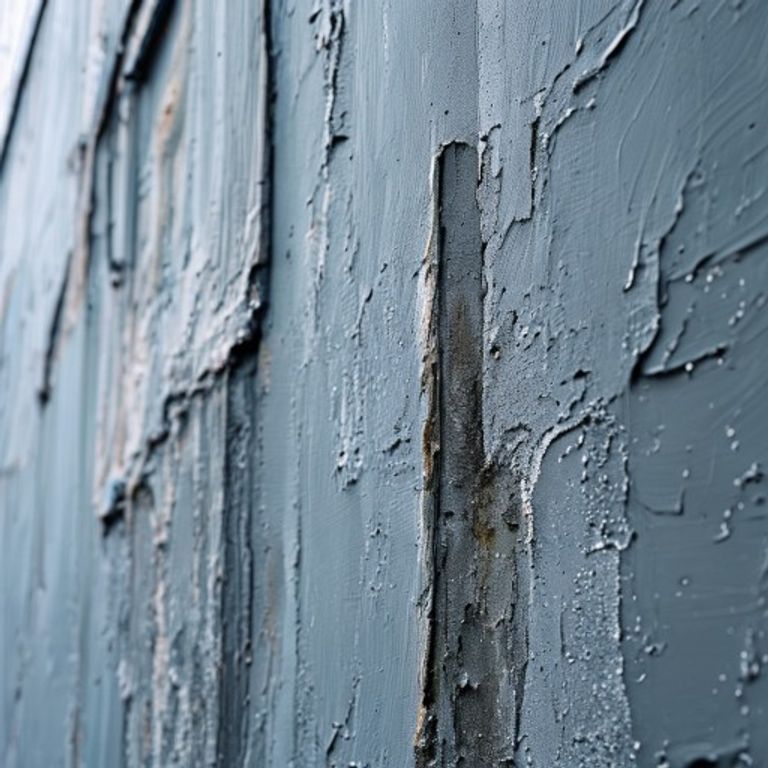
RAL 7011, Iron grey, is a color that refuses to apologize. It sits at the darker end of the grey spectrum with a luminous quality that is neither flat nor dead. Under direct light, it reveals a faint, cool blue undertone—like the patina on a well-worn steel beam after rain. In shadow, it collapses into a dense, almost charcoal mass that absorbs rather than reflects. The HEX value #555D61 tells the story: it is balanced, with slightly more blue (61) and green (5D) than red (55), giving it a subtle, technical coolness. This is not a warm, inviting grey; it is the color of functional silence. On a matte surface, RAL 7011 feels like unpolished iron—gritty and tactile. On a gloss finish, it takes on a sheen akin to wet slate, sharp and precise. It has no brown undertones, no hint of beige. It is the grey of machinery that works, not of walls that comfort.
Where you see RAL 7011
You encounter RAL 7011 more often than you notice it, because its job is to disappear into utility. It is the standard finish on heavy industrial machinery housings—lathes, presses, and conveyor systems—where the color signals durability and resistance to grime. In transportation, it appears on the lower body panels of commuter trains and subway cars, especially in European rail systems, where it is used to mask dirt from track dust and brake wear. Architects specify it for exterior steel cladding on warehouses and logistics centers, where the color reduces glare and blends with urban infrastructure. It is also common on solar panel frames and mounting rails, where its low reflectivity prevents light pollution. In signage, RAL 7011 is used for the background of highway directional signs in several countries, providing contrast for white and yellow lettering without competing with the landscape. You will not find it on consumer electronics or fashion accessories—it is too severe for that.
Pairs well with
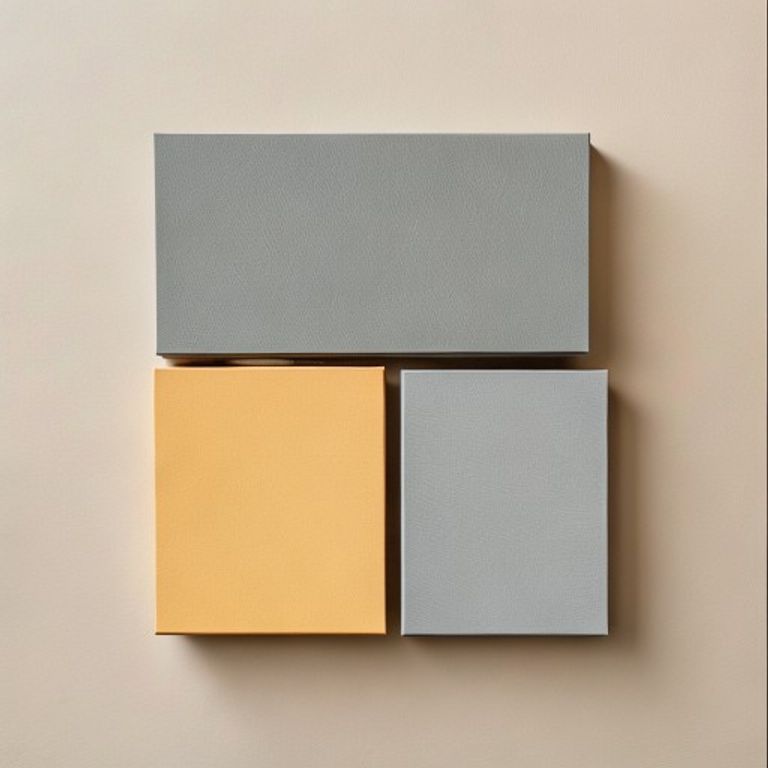
RAL 7011 demands companions that either match its gravity or provide sharp contrast. Pair it with RAL 9010 (Pure white) for a high-contrast, technical look common in modern industrial interiors—the white opens up the space while the iron grey anchors it. For a colder, more architectural palette, use RAL 7047 (Telegrey 4), a light, neutral grey that sits between silver and white; it mirrors the blue in 7011 without competing. If you want warmth without breaking the industrial mood, RAL 2000 (Yellow orange) works as an accent—a single door or handrail in this color against 7011 walls creates a striking, safety-oriented visual cue. For a monochromatic, serious scheme, combine RAL 7016 (Anthracite grey) with RAL 7011; the 7016 is darker and slightly warmer, creating depth without introducing a new hue. Avoid pairing 7011 with any brown or olive tones—they will clash with its cool base.
Common confusion
The two most frequently confused colors with RAL 7011 are RAL 7012 (Basalt grey) and RAL 7023 (Concrete grey). On a fan deck, RAL 7012 looks nearly identical at first glance, but hold it next to 7011: 7012 has a noticeable greenish cast, like wet cement with algae, while 7011 stays clean and blue. RAL 7023 is lighter and warmer, with a distinct yellow-beige undertone that makes it look dusty compared to 7011's crispness. In photographs, the difference is most visible under daylight—7011 will appear cooler and slightly darker than 7023. If you are comparing physical chips, tilt them toward a window: the blue in 7011 becomes apparent, whereas 7012 and 7023 remain muddy.
Picking RAL 7011 from a photo
Use RAL Picker on iOS or Android to sample a surface in a camera view or photo and compare the nearest RAL Classic colors, including RAL 7011. Camera white balance, lighting, shadows and reflections affect the result. Use even, neutral lighting and treat the match as an approximation. Before ordering paint or specifying a finish, confirm the color with a physical RAL swatch.