 RAL Picker
Character of RAL 7021
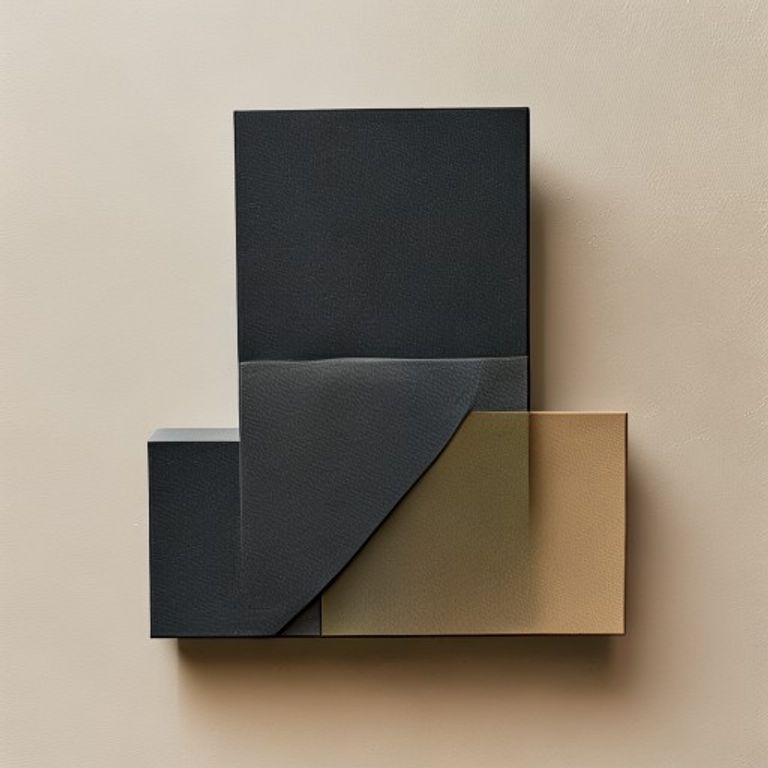
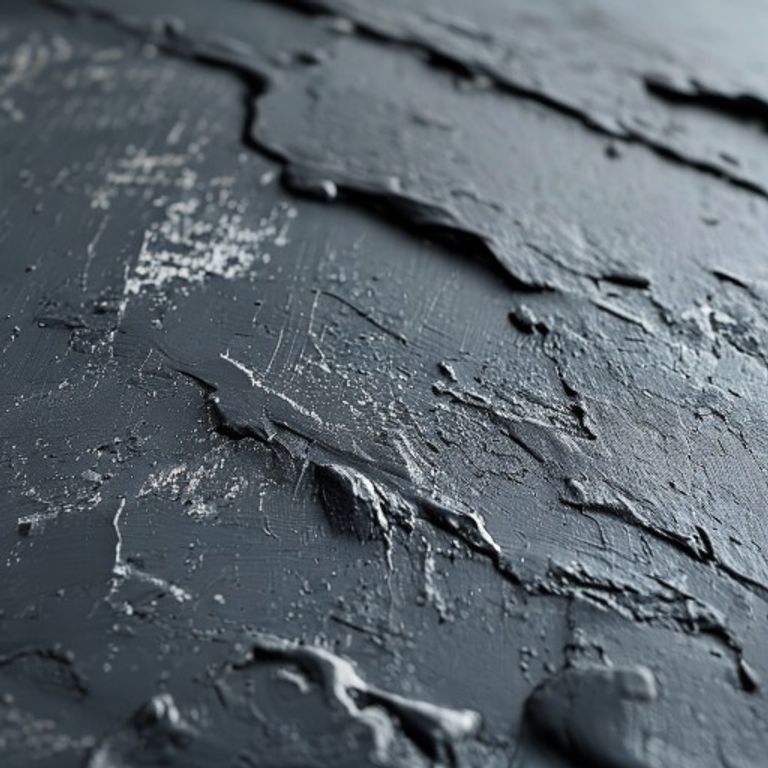
RAL 7021, Black grey, is not a black that has been diluted, nor a grey that has been deepened. It sits in a narrow band where the color temperature drops to a neutral, almost mineral chill. On a RAL fan deck, it registers as a dense, matte surface that absorbs more light than it reflects, with a measured LRV (Light Reflectance Value) of roughly 6 to 8 percent. The undertone is a cool, slate-like blue-grey, not the warm brown-grey of RAL 7013. Under direct daylight, the surface appears as a solid, unbroken dark field; under warm incandescent light, a faint, steely blue emerges along the edges. The tactile impression is one of weight and compression—like basalt or wet tarmac. It has no glossiness built into its definition; the standard finish is flat to semi-matte, which reinforces its ability to recede and act as a visual anchor. This is a color that feels structural, not decorative. It does not invite the eye to linger; it commands the eye to stop.
Where you see RAL 7021
This color is a workhorse in industrial and technical environments. You will find it on the housings of heavy machinery, specifically on the control panels and base frames of CNC milling machines and hydraulic presses, where its low reflectivity reduces glare for operators under harsh workshop lighting. In transportation, it is a common finish for the lower body panels of railway rolling stock, particularly on European freight wagons and shunting locomotives, where it hides grime and provides a uniform, non-reflective surface for safety markings. Architectural applications include the powder-coated aluminum frames of commercial curtain-wall systems, often used on the interior mullions of airport terminals and train stations to create a continuous, recessive line. Signage and wayfinding systems in public underground car parks frequently specify RAL 7021 for the base color of directional signs, as it contrasts sharply with white or yellow text without competing with emergency reds. It also appears on the chassis of professional audio equipment—rack-mounted amplifiers and mixing consoles—where a non-distracting, matte dark surface is preferred for studio environments.
Pairs well with
For a restrained, technical palette, combine RAL 7021 with RAL 9002 (Grey white). The cool, near-white of 9002 provides a high-contrast, clean counterpart that prevents the black grey from reading as muddy. For a warmer, more organic contrast, use RAL 7032 (Pebble grey). The beige undertone in pebble grey softens the chill of 7021, creating a subtle temperature shift that works well in interior architectural trims. To introduce a precise accent, pair it with RAL 2004 (Pure orange). The high saturation of that orange against the neutral density of 7021 produces a safety-signal effect without the aggression of a pure red. Finally, RAL 5014 (Pigeon blue) offers a muted, dusty blue that sits in the same value range as 7021. This pairing creates a sophisticated, monochromatic interplay of cool hues, ideal for exterior metalwork where you want color without contrast.
Common confusion
The most frequent mix-up is between RAL 7021 and RAL 7024 (Graphite grey). On a fan deck, 7024 looks very similar at a glance, but it has a distinctly higher LRV—roughly 12 to 15 percent—making it noticeably lighter. Hold the two chips side by side in daylight: 7021 will sink into shadow, while 7024 retains a visible grey glow. Another close neighbor is RAL 7016 (Anthracite grey). Many specifiers confuse the two because both are described as "dark grey." The key difference is undertone: 7016 leans warm, with a faint brown or bronze cast, whereas 7021 stays cool and blue. On a photo or in indirect light, 7016 can appear almost charcoal, while 7021 remains a neutral black. To tell them apart, compare the chips against a pure white sheet: 7016 will show a slight warmth, 7021 will show a slight blue shift.
Picking RAL 7021 from a photo
Use RAL Picker on iOS or Android to sample a surface in a camera view or photo and compare the nearest RAL Classic colors, including RAL 7021. Camera white balance, lighting, shadows and reflections affect the result. Use even, neutral lighting and treat the match as an approximation. Before ordering paint or specifying a finish, confirm the color with a physical RAL swatch.