 RAL Picker
Character of RAL 8017
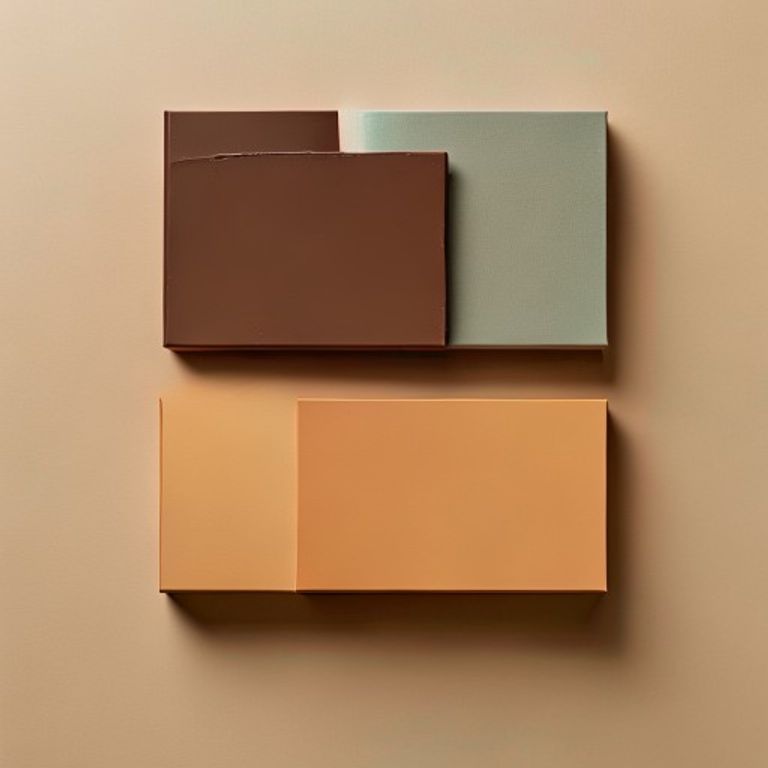
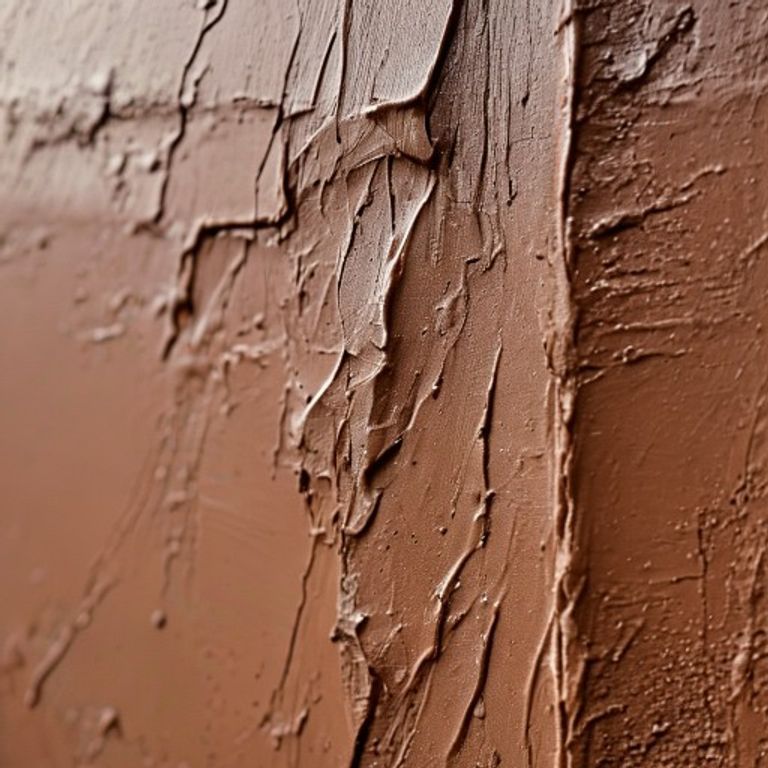
RAL 8017, Chocolate brown, is a color that does not invite—it asserts. On a fan deck, it sits as a dense, almost matte block of darkness, with a measured lightness (L* value around 27) that absorbs more light than it reflects. Its undertones are distinctly cool: a faint trace of violet pushes it away from the warm, reddish browns of earth or rust, and closer to the color of bitter cacao powder or dried coffee grounds. The hue angle in CIELAB space lands near 355°, just a hair shy of pure red, giving it a subtle, cold magenta cast that becomes visible only when placed next to a true warm brown like RAL 8028. Under daylight (D65), the surface appears velvety, lacking the gloss-induced sparkle that might make it read as "rich." This is a brown stripped of sweetness—no caramel, no milk chocolate—and its mood is one of quiet authority, often described in color psychology as grounded but not nurturing. It is the color of a well-worn leather tool belt, not a luxury handbag; of aged timber in a dark cellar, not polished mahogany.
Where you see RAL 8017
You will find RAL 8017 most consistently on heavy machinery and industrial equipment housings, where its low reflectivity reduces glare in workshops and its dark profile hides grease and dirt effectively. It is a standard choice for the chassis of forklifts, concrete mixers, and agricultural tractors from European manufacturers—notably German and Austrian brands—where it competes with RAL 7021 (black grey) for utilitarian roles. In transportation, the color appears on the lower body panels of some railway rolling stock, particularly on freight wagons and maintenance-of-way vehicles, where it signals durability rather than aesthetics. Signage for demolition and waste management companies frequently uses RAL 8017 as a background for yellow or white lettering, leveraging its high contrast without the harshness of pure black. In architecture, it is specified for window frames and exterior metal cladding in projects that demand a dark, non-reflective finish that does not mimic wood grain—common on modernist buildings in northern Europe where the color blends into the shadowed facades of winter.
Pairs well with
For a restrained, industrial palette, pair RAL 8017 with RAL 7035 (light grey). The cool neutrality of 7035 (L* ~70) lifts the brown's density without introducing warmth, creating a classic workshop or control-room scheme. If you need a warmer contrast, use RAL 1001 (beige). The pale, yellowish cast of 1001 (L* ~60) softens the violet undertone of 8017 and produces a balanced, natural-looking combination suited to residential exterior trim. For a more deliberate, artistic tension, add RAL 3003 (ruby red). The saturated, blue-red of 3003 (L* ~30, chroma ~40) echoes the magenta hint in 8017 but amplifies it to a vivid statement—effective on accent panels or signage where the brown acts as a silent anchor. Avoid pairing with other dark, cool colors like RAL 5004 (black blue), as the two will merge into an undifferentiated mass under low light; instead, always introduce a light or high-chroma element to maintain visual separation.
Common confusion
The most frequent mix-up is with RAL 8019 (grey brown). On a fan deck, 8019 appears slightly lighter (L* ~30) and carries a distinct greenish-grey undertone, not violet. Hold the two chips side by side: 8017 is darker and feels almost smoky, while 8019 reads as a desaturated olive. Another close neighbor is RAL 8028 (terra brown), which is warmer (hue angle ~30°) and has a visible orange-red cast; under incandescent light, 8028 glows faintly, whereas 8017 stays flat and cool. If you are working from a photo, look at the darkest shadows: 8017 will show no hint of red or orange, while 8028 will betray a rusty warmth even in low-light areas.
Picking RAL 8017 from a photo
Use RAL Picker on iOS or Android to sample a surface in a camera view or photo and compare the nearest RAL Classic colors, including RAL 8017. Camera white balance, lighting, shadows and reflections affect the result. Use even, neutral lighting and treat the match as an approximation. Before ordering paint or specifying a finish, confirm the color with a physical RAL swatch.