 RAL Picker
Character of RAL 1003
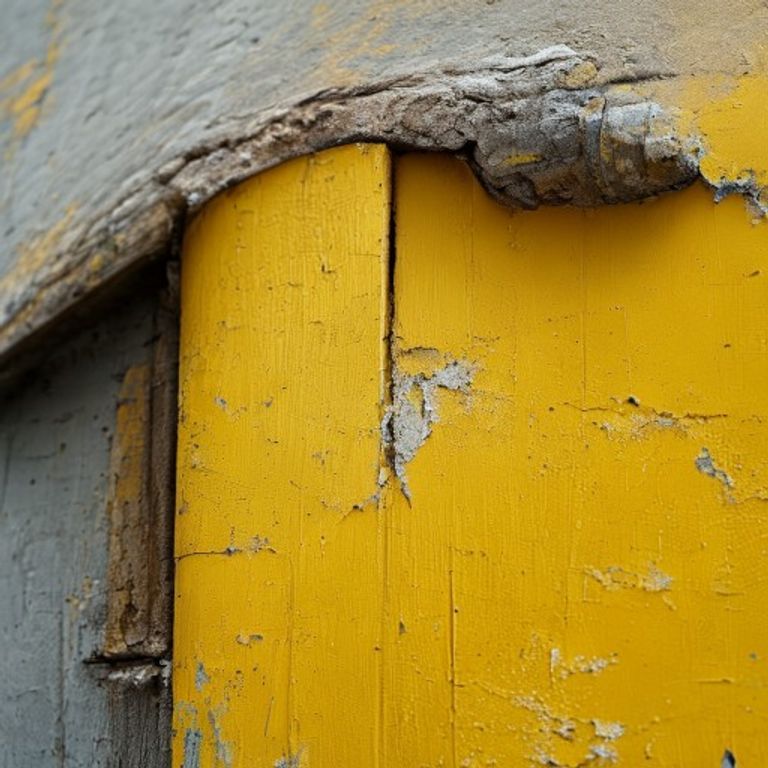
RAL 1003, Signal Yellow, is not a passive color. It sits at a precise point on the spectrum where yellow is at its most aggressive and luminous without tipping into orange. The HEX value #F9A800 translates to a hue that is almost entirely pure yellow with a single, deliberate push toward warmth. In direct sunlight, it appears to vibrate, emitting a glare that forces the eye to focus. In shadow, it does not gray out; it deepens into a rich, mustard-adjacent tone with a faint, almost metallic undertone. The color is dry rather than glossy by nature—it lacks the saccharine sweetness of lemon yellow or the earthy weight of ochre. It has a high-luminance, low-saturation character that makes it feel synthetic and purposeful. You do not relax into this color; it demands attention. Psychologically, it triggers alertness and hesitation, not comfort. It is the visual equivalent of a sustained, clear note—not a melody, but a signal.
Where you see RAL 1003
Its primary domain is safety and visibility. You will find RAL 1003 on the housings of heavy industrial machinery, particularly on emergency stops, hydraulic arms, and mobile plant equipment. It is the standard for high-visibility safety vests and hard hats in European construction zones, where its reflectance under low-light conditions is critical. In transportation, it appears on the rear bumpers of airport baggage tugs and on the warning stripes of loading dock barriers. Municipal traffic signage uses it sparingly—often on temporary warning signs for roadworks, where it competes directly with the surrounding environment. In consumer products, it is the default color for professional-grade measuring tools such as tape measures and laser levels, where the casing must be found quickly in a cluttered toolbox. It is also common on the bodies of marine rescue buoys and liferaft containers, where colorfastness against UV degradation is non-negotiable. You will rarely see it in interior design or fashion; it is a color of function, not decoration.
Pairs well with
RAL 1003 demands strong, neutral counterparts that do not compete for attention. RAL 9005 (Jet Black) is the most obvious partner: the contrast is not just tonal but psychological, with the black providing a visual anchor that stops the yellow from floating. For a more industrial but less severe combination, RAL 7016 (Anthracite Grey) works—its cool, blue-gray cast tempers the warmth of Signal Yellow without dulling it. If you need a lighter neutral, RAL 7035 (Light Grey) creates a clean, technical look often seen on control panels and laboratory equipment; the grey is cool enough to avoid looking muddy. For a restrained accent, RAL 5022 (Night Blue) provides a deep, almost black blue that creates a chromatic tension without clashing. Avoid pairing RAL 1003 with any other yellow or orange; the result is visual noise, not harmony.
Common confusion
The most frequent mix-up is with RAL 1023 (Traffic Yellow). On a fan deck, RAL 1023 is slightly cooler and slightly lighter—it leans toward a greenish, fluorescent quality, while RAL 1003 is warmer and denser. Side by side, RAL 1023 looks almost pale and acidic, whereas RAL 1003 has body. Another close neighbor is RAL 2007 (Luminous Bright Orange), which in low light or under incandescent bulbs can appear nearly identical to RAL 1003. The distinction lies in the undertone: RAL 2007 has a visible red shift that RAL 1003 lacks. Under daylight, hold the two chips edge-to-edge; RAL 2007 will show a faint, rusty edge, while RAL 1003 remains pure yellow with no trace of red.
Picking RAL 1003 from a photo
Use RAL Picker on iOS or Android to sample a surface in a camera view or photo and compare the nearest RAL Classic colors, including RAL 1003. Camera white balance, lighting, shadows and reflections affect the result. Use even, neutral lighting and treat the match as an approximation. Before ordering paint or specifying a finish, confirm the color with a physical RAL swatch.