 RAL Picker
Character of RAL 1023
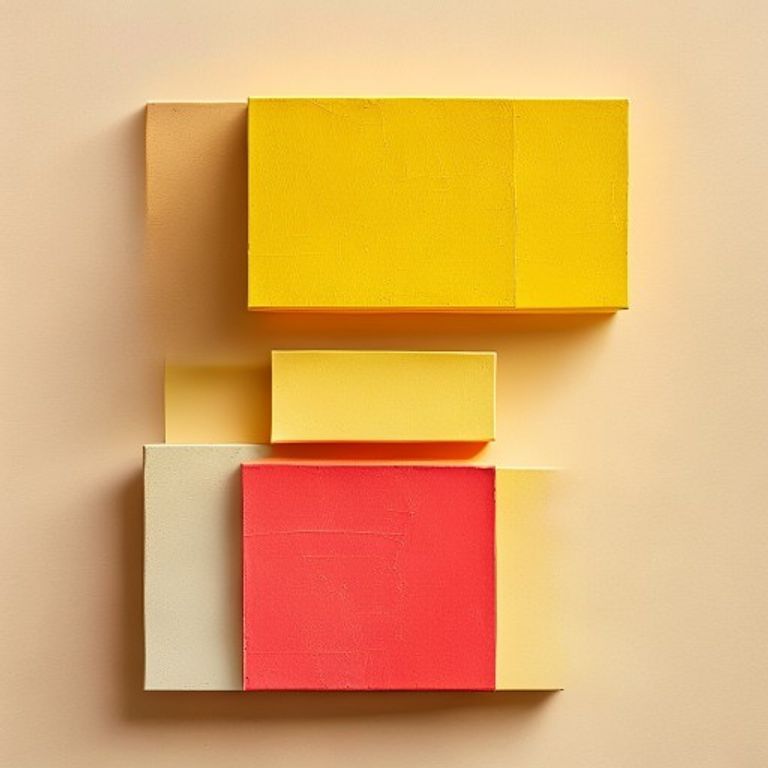
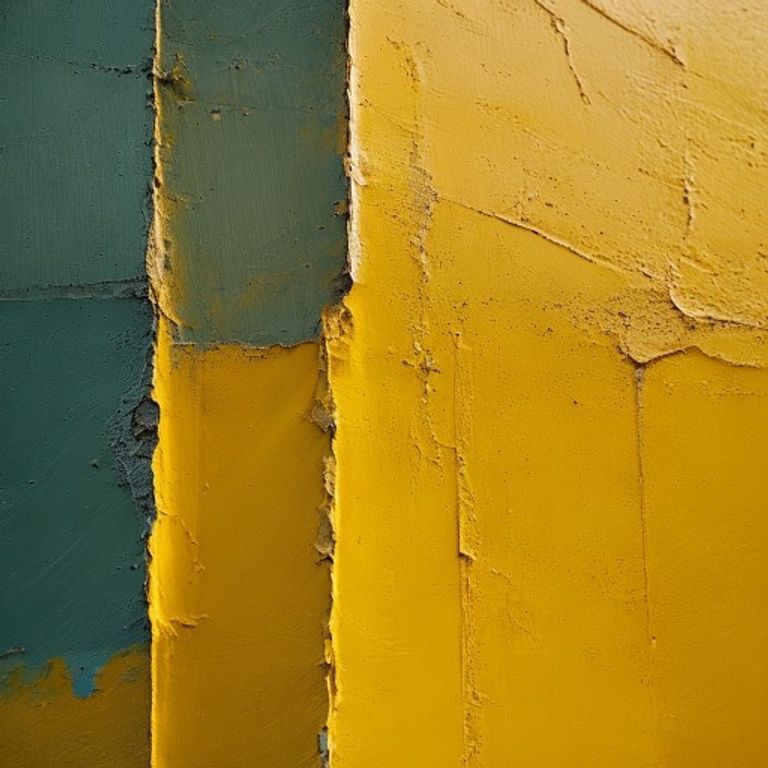
RAL 1023, Traffic yellow, is a color that does not whisper. At its core, it is a high-chroma, medium-light yellow with a distinct lean toward the orange side of the spectrum. Unlike a lemon yellow (which carries a greenish chill) or a pale pastel, this hue sits at a saturation level that feels aggressive without being acidic. The HEX #F7B500 reveals a red component (247) that dominates the green (181), with blue nearly absent (0). This imbalance gives the color a warm, almost metallic glow under direct light—it reflects strongly, but not blindingly. In shadow, the orange undertone deepens into a burnt-ochre richness, preventing it from looking flat or cheap. The mood is urgent, alert, and unapologetically functional. It triggers a physiological response: the eye snaps to it, the brain assigns priority. This is not a color for contemplation; it is a color for action. On a matte surface, it feels like chalk dust and caution tape. On a gloss finish, it resembles liquid amber, with a reflective sheen that can read as almost neon under overcast skies.
Where you see RAL 1023
This color dominates four distinct real-world contexts. First, traffic and safety equipment: it is the standard for high-visibility road markings, barrier arms, and warning signs across Europe, often used in combination with black chevrons or stripes. Second, industrial machinery housings—forklifts, hydraulic presses, and construction vehicles frequently carry RAL 1023 on their outer panels, not as a brand color but as a safety identifier. Third, public transport: many European bus fleets and tramways use this exact shade for their exterior livery, particularly in municipal systems where visibility at intersections is critical. Fourth, warehouse logistics: pallet racking, safety cages, and floor markings in factories are painted RAL 1023 to demarcate hazard zones. You will not find it in luxury automotive finishes or interior wall paints; it is a color engineered for function, not fashion. Its presence signals a space where attention is mandatory, not optional.
Pairs well with
Three RAL colors create deliberate, high-contrast pairings with RAL 1023. First, RAL 9005 (Jet black) — the most saturated black in the RAL system. Against 1023, it creates the classic hazard-stripe polarity. The black absorbs all light, forcing the yellow to appear even more luminous. Second, RAL 5017 (Traffic blue) — a deep, electric blue that sits opposite yellow on the color wheel. This pairing is common in industrial control panels and signage: the blue provides a cold, authoritative anchor, while the yellow signals caution. Third, RAL 7032 (Pebble grey) — a warm, light grey with a slight beige undertone. This is not a neutral grey; it contains enough yellow to harmonize with 1023 without competing. Use it for secondary surfaces (walls, floors) when the yellow is used on machinery or trim, softening the aggression without dulling the message. Avoid pairing with any green-based yellow (like RAL 1018) or cool greys (like RAL 7001), which will make the 1023 look muddy and unbalanced.
Common confusion
Two RAL codes are frequently mistaken for 1023. RAL 1003 (Signal yellow) is the closest competitor—it has a slightly higher lightness and a hint more green in its undertone. On a fan deck, hold them side by side: 1003 appears cleaner, almost lime-tinged, while 1023 is noticeably warmer and more orange. The difference is subtle but critical under artificial light: 1003 retains its brightness, while 1023 can shift toward amber. The second is RAL 1028 (Melon yellow), which is significantly more saturated and leans even further into orange. On a photograph, 1028 can look identical to 1023 if the lighting is warm, but on a physical chip, 1028 has a visible redder edge—it borders on amber rather than yellow. The trick: place a white card next to each. RAL 1023 will cast a faint orange reflection on the white; 1028 will cast a brownish-pink one. Always verify under neutral daylight (D65) to avoid a mismatch that becomes obvious only after application.
Picking RAL 1023 from a photo
Use RAL Picker on iOS or Android to sample a surface in a camera view or photo and compare the nearest RAL Classic colors, including RAL 1023. Camera white balance, lighting, shadows and reflections affect the result. Use even, neutral lighting and treat the match as an approximation. Before ordering paint or specifying a finish, confirm the color with a physical RAL swatch.