 RAL Picker
Character of RAL 1013
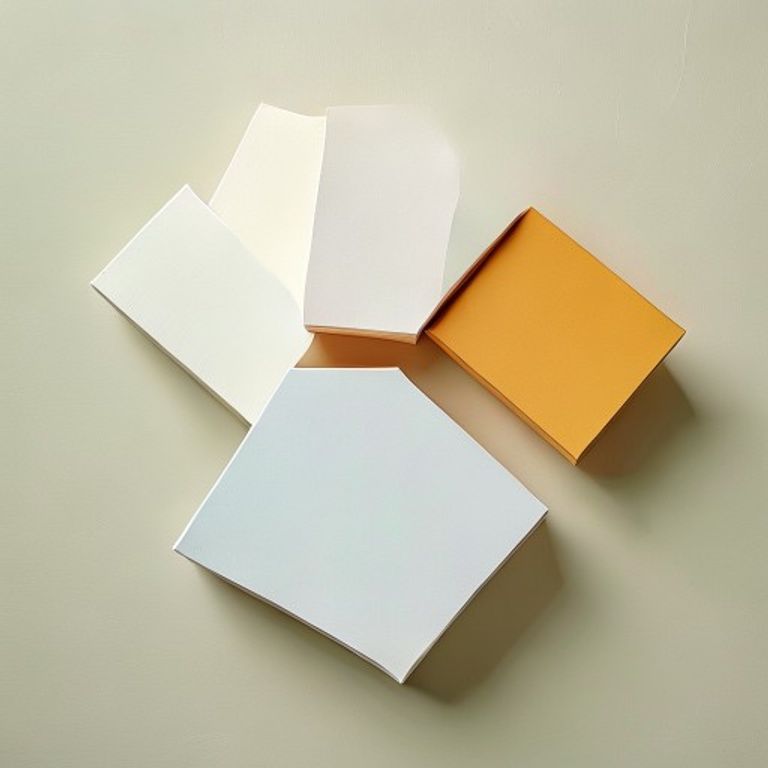
Oyster white is not a white that retreats. It holds a density that off-white often lacks, a compacted pigment load that reads as a solid, matte surface rather than a tinted primer. Under north-facing daylight, the dominant impression is a dry, chalky beige, but tilt the surface toward a warm lamp and a distinct, dusty yellow emerges—not the buttercream of RAL 1015, but a mineral, almost geological warmth. The HEX value #E3D9C6 yields a red-green-blue balance that is conspicuously low in blue: only 198 parts blue against 227 green and 243 red. This blue deficit is what gives RAL 1013 its characteristic flatness. It lacks the reflective, cool shimmer of true ivory. Instead, it mimics the surface of unglazed porcelain or aged limestone, absorbing light rather than bouncing it. The mood is one of restrained permanence—a color that suggests the object it coats was always that color, not painted that color. It has a tactile quality: you expect it to feel slightly rough, slightly warm, like sun-baked plaster.
Where you see RAL 1013
This RAL code is the default neutral for heavy machinery enclosures in the agricultural and construction sectors. Tractor cabins, generator housings, and hydraulic power units often arrive from the factory in RAL 1013 because it hides dust and minor oil smears better than pure white, yet remains visible in low-light conditions at dawn on a job site. In architectural metalwork, you will find it on extruded aluminum window frames in European residential complexes where the architect wants a warm, non-clinical white that does not clash with red brick or natural stone. It is also the standard lacquer color for many professional-grade loudspeaker cabinets and stage lighting fixtures—the matte finish reduces glare under spotlights, and the warm tone prevents the equipment from looking sterile against dark stage drapes. On public transport, some regional railway operators in Germany and Austria have used RAL 1013 for interior paneling in second-class carriages, deliberately choosing it over pure white because it shows scuff marks less aggressively and creates a calmer interior light. In the marine industry, it appears on the topsides of smaller fiberglass yachts and on bridge consoles, where its low glare and resistance to yellowing under UV exposure are valued.
Pairs well with
For a high-contrast, architectural edge, pair RAL 1013 with RAL 7016 (Anthracite grey). The deep, cool grey cuts the chalkiness of the oyster white and creates a clear, modern delineation—common on facade panels and railing systems. For a monochromatic, tactile scheme, combine it with RAL 7032 (Pebble grey). Pebble grey shares the same low-chroma, dusty character as RAL 1013 but is slightly cooler, giving depth without dramatic contrast—ideal for interior wall and trim combinations. To introduce warmth without moving into brown, use RAL 1019 (Grey beige). This is a darker, more earthbound sibling; where RAL 1013 is airy, RAL 1019 is solid ground. Together they form a natural, stone-based palette for plaster or concrete surfaces. For a restrained accent that pops, select RAL 5009 (Azure blue). The blue's slight green undertone resonates with the yellow base of RAL 1013, creating a complementary tension that feels intentional, not accidental—effective on control panels or door handles against oyster white machine housings.
Common confusion
The most frequent misidentification is with RAL 1015 (Light ivory). On a fan deck, RAL 1015 is visibly more yellow and more saturated—it has a distinct creaminess, like dairy. RAL 1013, by contrast, looks almost grey next to it. Hold them side by side: RAL 1015 glows; RAL 1013 sits flat. Another close cousin is RAL 9001 (Cream). Despite its name, RAL 9001 is actually cooler and pinker than RAL 1013. In a photograph or under mixed lighting, RAL 9001 can appear as a pale beige, but a direct comparison on a physical fan reveals a faint rose tint that RAL 1013 entirely lacks. To distinguish them, look at the shadow side of the color chip: RAL 1013's shadow reads as warm taupe; RAL 9001's shadow shifts toward a muted lilac.
Picking RAL 1013 from a photo
Use RAL Picker on iOS or Android to sample a surface in a camera view or photo and compare the nearest RAL Classic colors, including RAL 1013. Camera white balance, lighting, shadows and reflections affect the result. Use even, neutral lighting and treat the match as an approximation. Before ordering paint or specifying a finish, confirm the color with a physical RAL swatch.