 RAL Picker
Character of RAL 2004
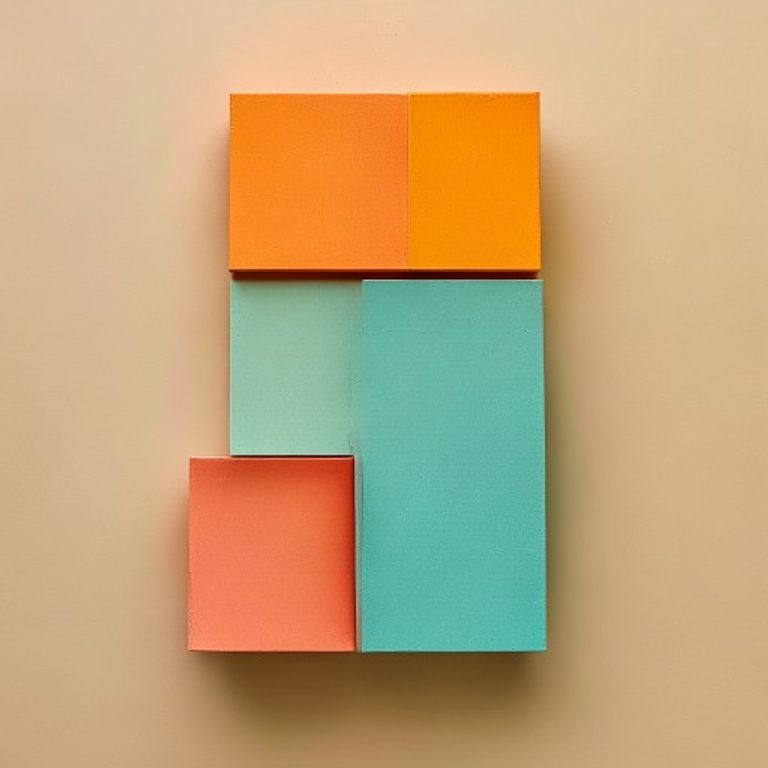
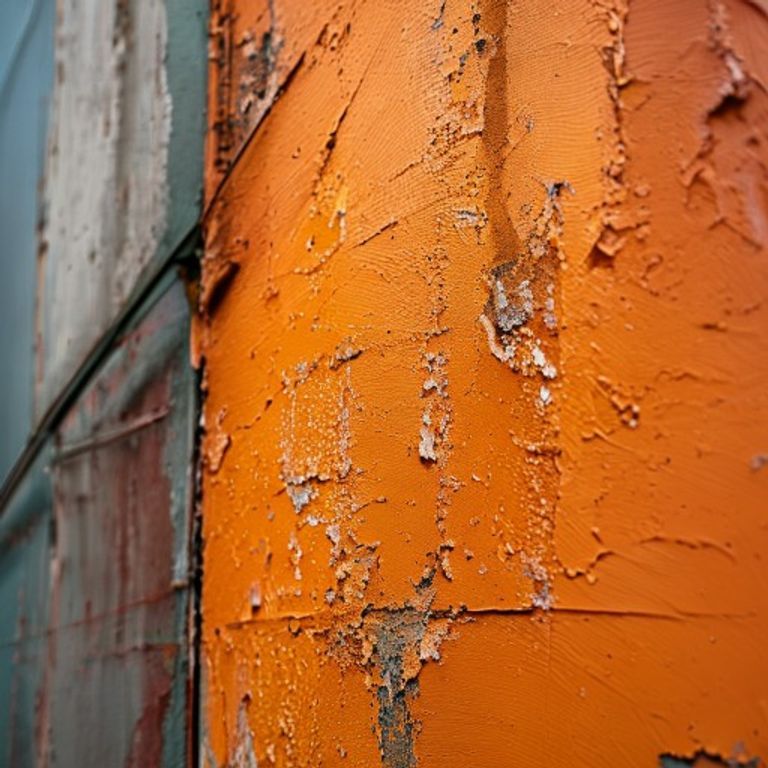
RAL 2004, Pure orange, hits the retina with the force of a traffic signal at midday. It is not a friendly, peachy orange; it contains zero white. Its dominant wavelength sits around 590 nanometers, placing it in the zone where red and yellow collide without compromise. The hex value #E75B12 reveals a composition of 90.6% red, 35.7% green, and only 7.1% blue. That blue absence is critical—it strips away any hint of brown or rust, leaving a color that screams rather than hums. On a matte surface, RAL 2004 appears almost dusty, like dry paprika powder, but on a gloss finish it becomes lacquered plastic fire. The undertone is pure, aggressive yellow-red, with no violet or green contamination. It feels hot to the eye, the kind of color that makes a room feel five degrees warmer. Designers should note: this is not a color for subtlety. It demands to be seen, and it will not recede into any background.
Where you see RAL 2004
This orange is a workhorse of public safety and industrial visibility. You will find it on the housings of heavy construction machinery—excavators, compactors, and concrete mixers—where its high-luminance value ensures a machine is spotted against mud, gravel, or snow. It is a standard color for highway maintenance vehicles in several European countries, applied to salt spreaders and road-marking trucks. In the maritime sector, RAL 2004 appears on life rafts, buoyancy aids, and rescue boats, where its contrast against grey sea and blue sky is deliberately maximized. The color also dominates the housing of portable generators and hydraulic power packs, where it signals "caution" without the panic of pure red. You will rarely see it on consumer automobiles, but it is a common choice for the bodies of electric forklifts and airport ground support equipment. Signage uses it sparingly—typically for warning triangles or hazard markers where the message must be read from fifty meters away in rain or fog.
Pairs well with
RAL 2004 demands partners that can either absorb its heat or match its intensity. First, pair it with RAL 7016 (Anthracite grey). This near-black grey provides a visual anchor, preventing the orange from floating. On a machine housing, anthracite panels break up the orange mass and add a professional, industrial gravity. Second, use RAL 9001 (Cream) for a high-contrast, warm scheme. The slight yellow undertone in cream harmonizes with the orange without competing, making it suitable for interior accent walls or product packaging that needs approachability without childishness. Third, consider RAL 5005 (Signal blue). The cool, sharp blue creates a complementary tension—think of a blue control panel set into an orange machine body. This pairing is common in safety equipment because it activates both color channels in human peripheral vision. Fourth, for a monochromatic risk, RAL 1037 (Sun yellow) works if you are designing for high-visibility zones. The yellow sits just below orange in luminance, creating a gradient effect that can guide the eye across a surface. Avoid pairing RAL 2004 with any muted green or beige—the result is muddy and reads as unintentional.
Common confusion
The most frequent mix-up is with RAL 2009 (Traffic orange). On a fan deck, RAL 2009 looks slightly redder and more saturated, almost like a fire extinguisher. The difference lies in the hex values: RAL 2009 is #E15501, which has less red (88.2%) and slightly more green (33.3%), making it appear more luminous and less earthy. In a photograph, RAL 2004 will look deeper and more brownish under incandescent light, while RAL 2009 retains a fluorescent pop. Another close cousin is RAL 2011 (Deep orange), hex #EC7C26. This is a lighter, yellower orange that can fool you in low-resolution images. The key distinction: RAL 2004 has a clear, dry quality, while RAL 2011 has a softer, almost apricot tint. Hold the two fan deck chips side by side under a daylight lamp—RAL 2004 will look like it has been baked, RAL 2011 like it has been watered down.
Picking RAL 2004 from a photo
Use RAL Picker on iOS or Android to sample a surface in a camera view or photo and compare the nearest RAL Classic colors, including RAL 2004. Camera white balance, lighting, shadows and reflections affect the result. Use even, neutral lighting and treat the match as an approximation. Before ordering paint or specifying a finish, confirm the color with a physical RAL swatch.