 RAL Picker
Character of RAL 2008
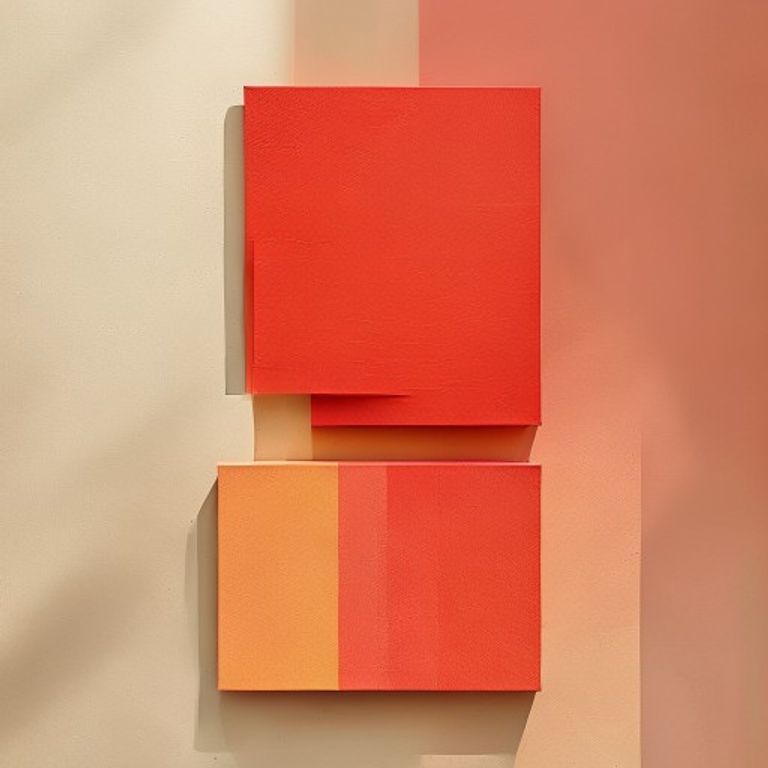
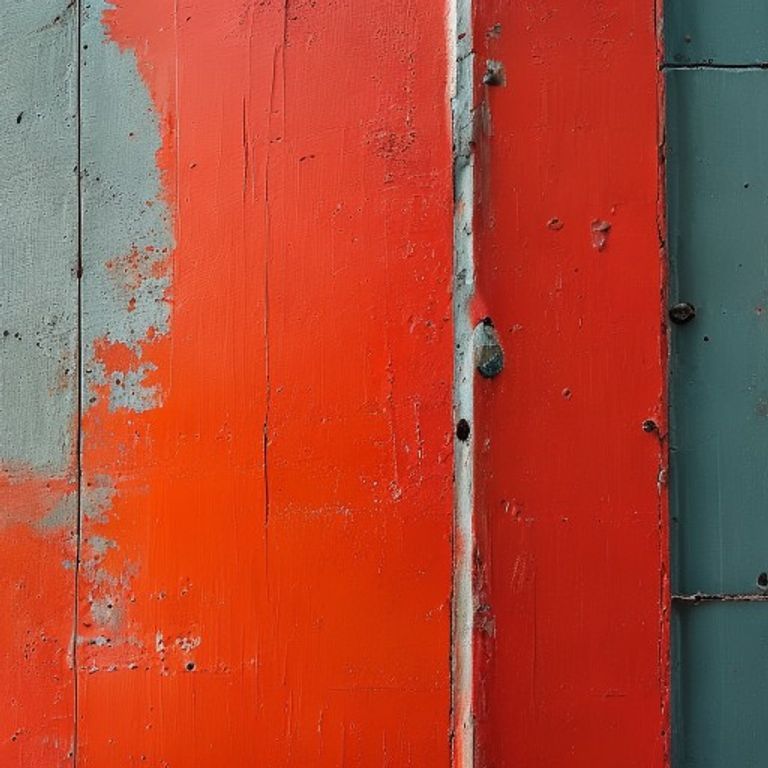
RAL 2008 is not a timid color. It sits at the precise inflection point where red's aggression meets orange's warmth, yielding a hue that is simultaneously urgent and friendly. Under full-spectrum daylight, the pigment reads as a fully saturated, high-chroma orange with a distinct red undertone—not the rust of autumn leaves, but the chemical purity of a traffic flare. In shadow, the red component deepens, pulling the color toward a burnt sienna that retains none of brown's muddiness. The HEX #F3752C translates to a dominant red channel (243) and a green channel (117) that is almost exactly half the red value, while blue (44) is nearly absent. This numeric imbalance creates a color that vibrates: it pushes forward optically, refusing to recede into a background. On matte surfaces, RAL 2008 appears chalky but still luminous; on gloss finishes, it gains a lacquered, almost candy-like depth. The undertone is distinctly synthetic—this is not a color found in nature without human intervention. It carries the visual temperature of a surface that has just been heated to the point of glowing, but not yet melting.
Where you see RAL 2008
This RAL code is a workhorse in safety and visibility applications. It appears extensively on high-visibility safety vests and workwear as the standard orange for EN 471 Class 3 garments, where its reflectance under artificial light is critical. On construction sites, you will find it on concrete mixer drums, portable traffic barriers, and temporary road signage—particularly on the reflective sheeting of warning triangles and delineators. In transportation, RAL 2008 is common on the body panels of airport ground-support equipment (baggage tugs, fuel trucks, and pushback tractors) where high visibility on tarmac is mandatory. The color also appears on industrial machinery housings for hydraulic excavators and compactors made by several European manufacturers, though no single brand dominates. In consumer goods, it is frequently used on the handles and grips of garden tools, power tools, and camping equipment—any object that must be easily spotted in a cluttered shed or on uneven terrain. Notably, it is absent from most architectural facades, as its intensity is considered too aggressive for large exterior surfaces unless used sparingly as an accent.
Pairs well with
For a controlled contrast, pair RAL 2008 with RAL 7016 (Anthracite grey). The deep, near-black grey absorbs the orange's energy without competing, creating a relationship that reads as industrial and precise. For a complementary split, use RAL 5017 (Traffic blue). The blue's cool, assertive nature sits opposite orange on the color wheel, producing a high-contrast pairing that is common in safety signage and sports equipment. For a muted, tonal harmony, consider RAL 3016 (Coral red). This red is slightly less saturated and leans toward pink, allowing RAL 2008's orange to dominate while sharing the same red base. If you need a neutral that does not flatten the orange, RAL 9006 (White aluminium) works better than pure white: its metallic silver-gray flecks reflect light in a way that echoes the gloss of RAL 2008 without creating a harsh cold-hot divide. Avoid pairing with any pure yellow or lime green—these will drain the orange of its red undertone and leave it looking flat.
Common confusion
The most frequent mix-up is between RAL 2008 and RAL 2009 (Traffic orange). On a fan deck, RAL 2009 is noticeably redder and darker—it has a lower lightness value and a stronger magenta cast. Hold the two chips side by side: RAL 2008 will appear almost yellow in comparison. The second confusion is with RAL 2004 (Pure orange). RAL 2004 is lighter, cleaner, and lacks the red undertone entirely—it looks like a standard school-bus orange. In a photo, RAL 2004 will appear as a flat, even orange, while RAL 2008 shows a subtle shift toward red in the shadows. The easiest distinction: if the color looks like it could be a stop sign, it is probably RAL 2004. If it looks like it could be a warning light on a control panel, it is RAL 2008.
Picking RAL 2008 from a photo
Use RAL Picker on iOS or Android to sample a surface in a camera view or photo and compare the nearest RAL Classic colors, including RAL 2008. Camera white balance, lighting, shadows and reflections affect the result. Use even, neutral lighting and treat the match as an approximation. Before ordering paint or specifying a finish, confirm the color with a physical RAL swatch.