 RAL Picker
Character of RAL 3020
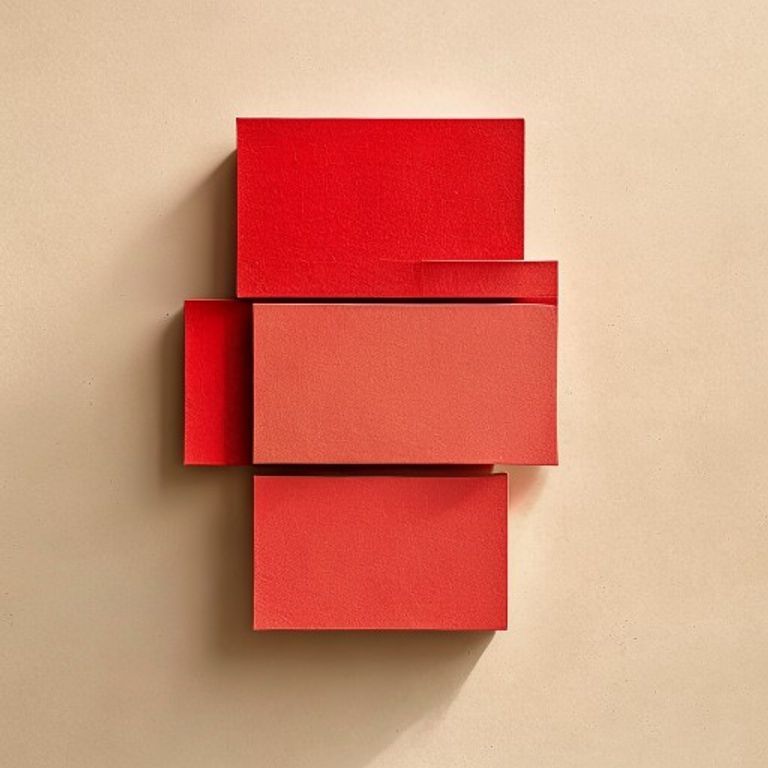
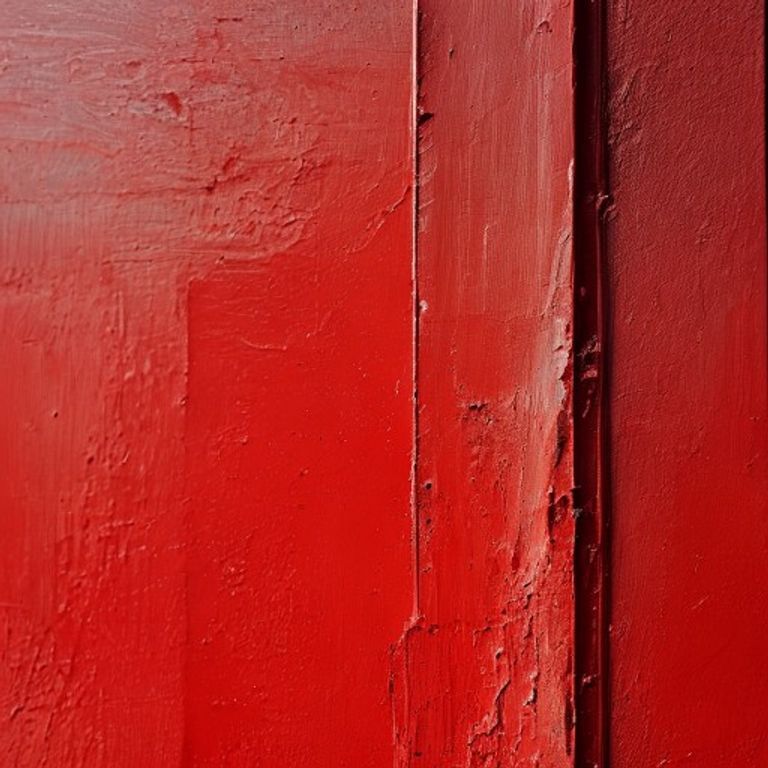
RAL 3020, Traffic red, is not a red that apologizes. It sits at the very edge of the visible spectrum where orange begins to burn, but it refuses to tip over. Its HEX value #C1121C pins a specific, aggressive brightness—a red that is almost fluorescent under direct sun, yet retains a dense, oily weight in shadow. This is a red with zero violet undertones; look closely at a swatch and you will see a faint, dusty brown base that keeps it from screaming into the pink range. The mood is urgent, authoritative, and physical. It feels like the color of a siren you can almost hear, or the paint on a fire hydrant that has been baking in the heat for decades—still defiant, never faded to rust. On a matte surface, it absorbs light and becomes a flat, tectonic plate of color; on a glossy finish, it throws back a sharp, wet reflection that seems to vibrate. Designers should understand that this red has a short wavelength in the eye's perception—it advances aggressively, making any object painted in it appear larger and closer than it actually is. It is not a romantic red, not a wine red, not a crimson. It is the red of a stop sign at noon on a cloudless day.
Where you see RAL 3020
You encounter this color most often in environments where hesitation is not an option. In municipal infrastructure, it is the standard for firefighting equipment: fire engines, extinguisher bodies, and alarm pull stations across Europe carry RAL 3020 because it must be instantly recognizable in peripheral vision, even under smoke or fog. It dominates heavy industrial machinery—crane hooks, press brakes, and forklift counterweights are often coated in this red to mark moving parts that can crush or sever. In traffic control, it appears on barrier gates, temporary road signs, and the vertical reflectors on concrete barriers. The transportation sector uses it for emergency vehicle striping and for the leading edges of railway crossing arms. You will also find it on the bodies of concrete mixer trucks and on the handles of large hydraulic tools. Notably, it is the chosen red for many European postal service vehicles—not for branding, but for visibility in dense urban traffic. In architecture, it appears sparingly: as accent on structural steel beams in exposed interiors, or on the frames of industrial windows where a warning must be delivered without words.
Pairs well with
The most reliable partner is RAL 7016 (Anthracite grey). The near-black grey absorbs the heat of the red and gives it a technical, Bauhaus-like precision—think of a machine guard on a grey base. For a warmer, more grounded combination, use RAL 1013 (Oyster white). This off-white with a beige undertone softens the red's aggression without diluting its presence, ideal for signage where legibility is paramount. A bolder choice is RAL 5010 (Gentian blue). The cold, almost metallic blue creates a complementary tension that is common in European emergency service logos—the red pushes forward, the blue recedes, producing a graphic pop that works at speed. Finally, RAL 3020 can be anchored by RAL 9005 (Jet black) for maximum contrast, but only in small doses—a red handle on a black tool body, or a red stripe on a black vehicle. Avoid pairing it with any pinkish or pastel tones, as they will make the red look cheap and plastic.
Common confusion
The most frequent misidentification is with RAL 3000 (Flame red). At first glance on a fan deck, both appear as a bright, saturated red. The difference is in the orange content: RAL 3000 has a distinct yellow push, making it look warmer and slightly more luminous, like a freshly lit match. RAL 3020, by contrast, has a tiny amount of black pigment that makes it denser and slightly darker—hold them side by side under daylight and RAL 3020 will appear heavier, almost as if it has more physical mass. Another close neighbor is RAL 3001 (Signal red), which is the true red of emergency vehicles in many countries. Signal red is slightly cooler—it has a faint blue undertone that RAL 3020 lacks. To distinguish them, look at the edge where the red meets white paper: RAL 3001 will show a subtle violet halo, while RAL 3020 will show a brownish-orange one. On a photo, check the highlights: RAL 3020's reflections are sharp and metallic, while RAL 3001's highlights are softer and more diffuse.
Picking RAL 3020 from a photo
Use RAL Picker on iOS or Android to sample a surface in a camera view or photo and compare the nearest RAL Classic colors, including RAL 3020. Camera white balance, lighting, shadows and reflections affect the result. Use even, neutral lighting and treat the match as an approximation. Before ordering paint or specifying a finish, confirm the color with a physical RAL swatch.