 RAL Picker
Character of RAL 9010
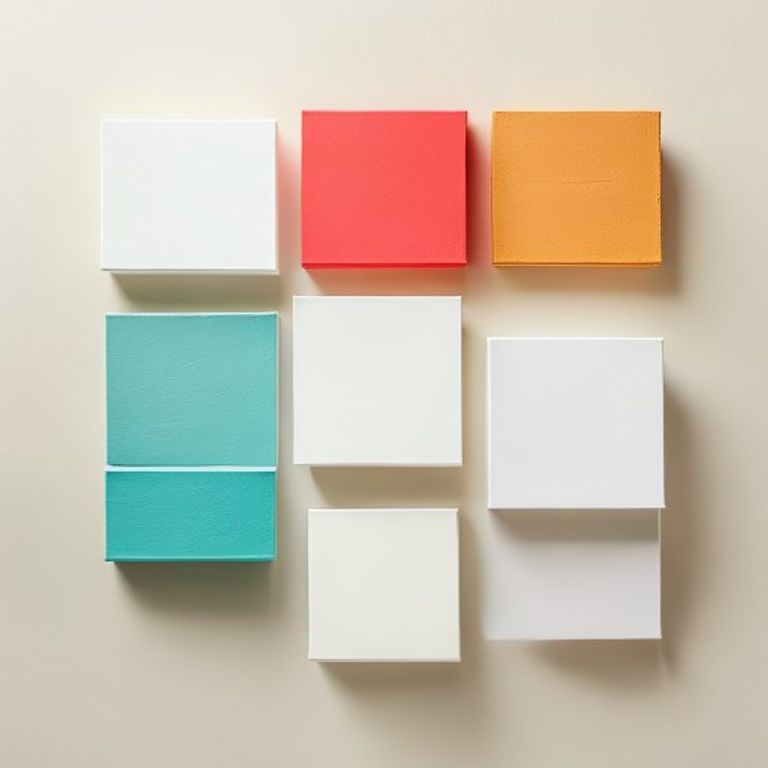
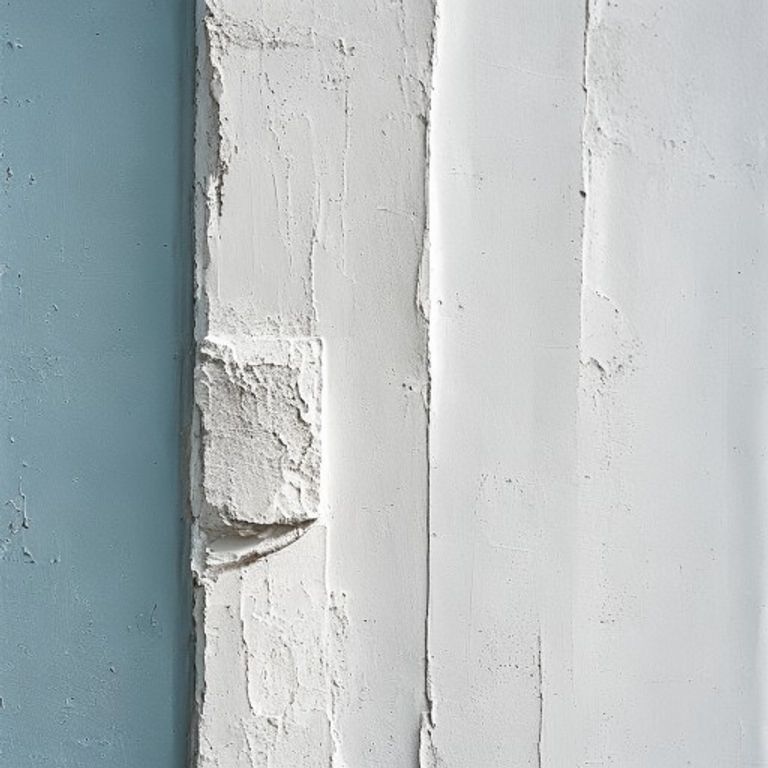
RAL 9010 is not white. It is a specific, calibrated off-white that registers as warm, dense, and almost tactile. On a fan deck, it sits just beyond the absolute limit of pure white, carrying a faint, creamy undertone that is closest to the color of unbleached linen or fresh plaster. Under neutral daylight, the surface reads as a soft, milky white with no blue or gray influence. In warm incandescent light, the cream component activates, giving it a gentle, honeyed glow. In cool LED light, it holds its ground without turning stark or clinical. The key sensory fact: RAL 9010 has a reflectance value of approximately 85-87%, which is lower than a true pure white (which would be near 100%). This means it absorbs slightly more light, producing a matte, velvety finish that does not glare. It feels solid, not airy. The paint dries with a subtle chalkiness that mimics natural stone dust, making it a favorite for surfaces where you want whiteness without sterility.
Where you see RAL 9010
You will find RAL 9010 dominating the interiors of high-end medical equipment, particularly MRI housings and diagnostic imaging enclosures, where the warm white reduces patient anxiety compared to a cold, harsh white. In transportation, it is the standard interior ceiling color on many European regional trains and subway cars, chosen because it reflects light evenly without creating a blinding glare for passengers reading or using screens. The color is also ubiquitous on the exterior of prefabricated modular housing units in Scandinavia, where architects use it to mimic the whitewashed wood tradition while providing a durable, UV-resistant coating. In signage, RAL 9010 is the go-to base color for illuminated information boards in airports and train stations, as its cream tone prevents the white LED backlight from appearing blueish or washed out. Finally, you see it on the casings of laboratory fume hoods and cleanroom furniture, where the color's slight warmth hides dust and minor scuffs better than a pure white, reducing maintenance frequency.
Pairs well with
Pair RAL 9010 with RAL 7016 (Anthracite grey) for a high-contrast, industrial interior. The deep, almost black grey grounds the warm white, creating a crisp line that works on window frames or baseboards. Combine it with RAL 3009 (Oxide red) for a traditional, earthy palette—the muted brick tone complements the creaminess of 9010 without clashing. This duo is common on restored Bauhaus-era facades. For a muted, natural scheme, use RAL 7032 (Pebble grey). This warm, beige-grey is close in value to 9010, creating a subtle, tonal harmony that works on adjacent walls or cabinetry. Finally, RAL 1013 (Oyster white) is a near-perfect companion for trim work: it is slightly darker and more yellow than 9010, so when applied to moldings next to a 9010 wall, it creates a gentle, non-contrasting shadow line that reads as intentional, not accidental.
Common confusion
The most frequent mix-up is between RAL 9010 (Pure white) and RAL 9016 (Traffic white). On a fan deck, hold them side by side under a daylight lamp. RAL 9016 is noticeably cooler, with a distinct blue-gray undertone—it looks like printer paper. RAL 9010 is warmer, closer to the color of a fresh eggshell interior. In a photograph, RAL 9016 will appear brighter and more reflective, while 9010 will look slightly beige or creamy. Another confusion is with RAL 1013 (Oyster white), which is significantly more yellow and darker. If you place a sample of 1013 next to 9010, the difference is obvious: 1013 looks like unbleached cotton, 9010 like bleached cotton. To distinguish them in a photo, look at the shadows—RAL 9010 casts a warm, soft shadow, while RAL 1013's shadows appear distinctly ochre-tinted.
Picking RAL 9010 from a photo
Use RAL Picker on iOS or Android to sample a surface in a camera view or photo and compare the nearest RAL Classic colors, including RAL 9010. Camera white balance, lighting, shadows and reflections affect the result. Use even, neutral lighting and treat the match as an approximation. Before ordering paint or specifying a finish, confirm the color with a physical RAL swatch.